
Commercial Turf Fertilization Programs: What Property Managers Should Expect in MD, DC & VA
~6 mins

Frequently Asked Questions About Commercial Lawn FertilizationWhen your landscaping company’s truck pulls up to apply your commercial turf fertilization, you know it’s about making your lawn green and healthy.
But what exactly happens out there with each visit? What does your commercial lawn fertilization program include? Liquid fertilizer, pre-emergent weed killer, and post-emergent weed killer, each applied at specific times throughout the season. Beyond that, expect spot weed treatments to target any stubborn weeds that sneak through onto your property
Let’s learn more about commercial turf fertilization in Maryland, DC and Virginia, including:
-
When You Might Need an Addition to the Four-Visit Commercial Lawn Fertilization Schedule
- Frequently Asked Questions About Commercial Lawn Fertilization
Why You Need Four Commercial Lawn Fertilizer Applications
At Level Green Landscaping, we recommend a four-application commercial lawn fertilization program to all of our customers. Here’s how it breaks down:
We visit first in early spring to apply liquid fertilizer, pre-emergent weed killer, and post-emergent weed killer. This first round typically happens between March 15 and early April, and proper timing is important.
Pre-emergent targets weed seeds before they germinate, so pesky weeds don’t even have a chance to sprout. The weed is killed when it begins to sprout from the seed and hits the herbicide barrier.
Pre-emergent herbicide is crucial to prevent crabgrass, which is one of the big problem weeds here in Maryland, DC and Virginia.
But pre-emergent herbicides don’t catch everything. That’s why right after we apply the pre-emergent and fertilizer mix, we apply a liquid post-emergent weed killer, too.
This type of herbicide targets broadleaf weeds like dandelions and those pervasive annual weeds, chickweed and henbit.
A second visit in late spring repeats those three steps.
We visit a third time in the summer to spot spray for weeds. This time, we target only your trouble areas where weeds may have popped up. No need to spray everything just for the sake of spraying. Spot spray is better for the environment, but still targets weeds.
Then, you'll see us again in the fall, for the final lawn fertilizing treatment to strengthen your turf’s root system before winter sets in.
By helping roots grow before winter sets in, you help ensure that the lawn will green up quicker in the spring and become more resistant to disease and drought.
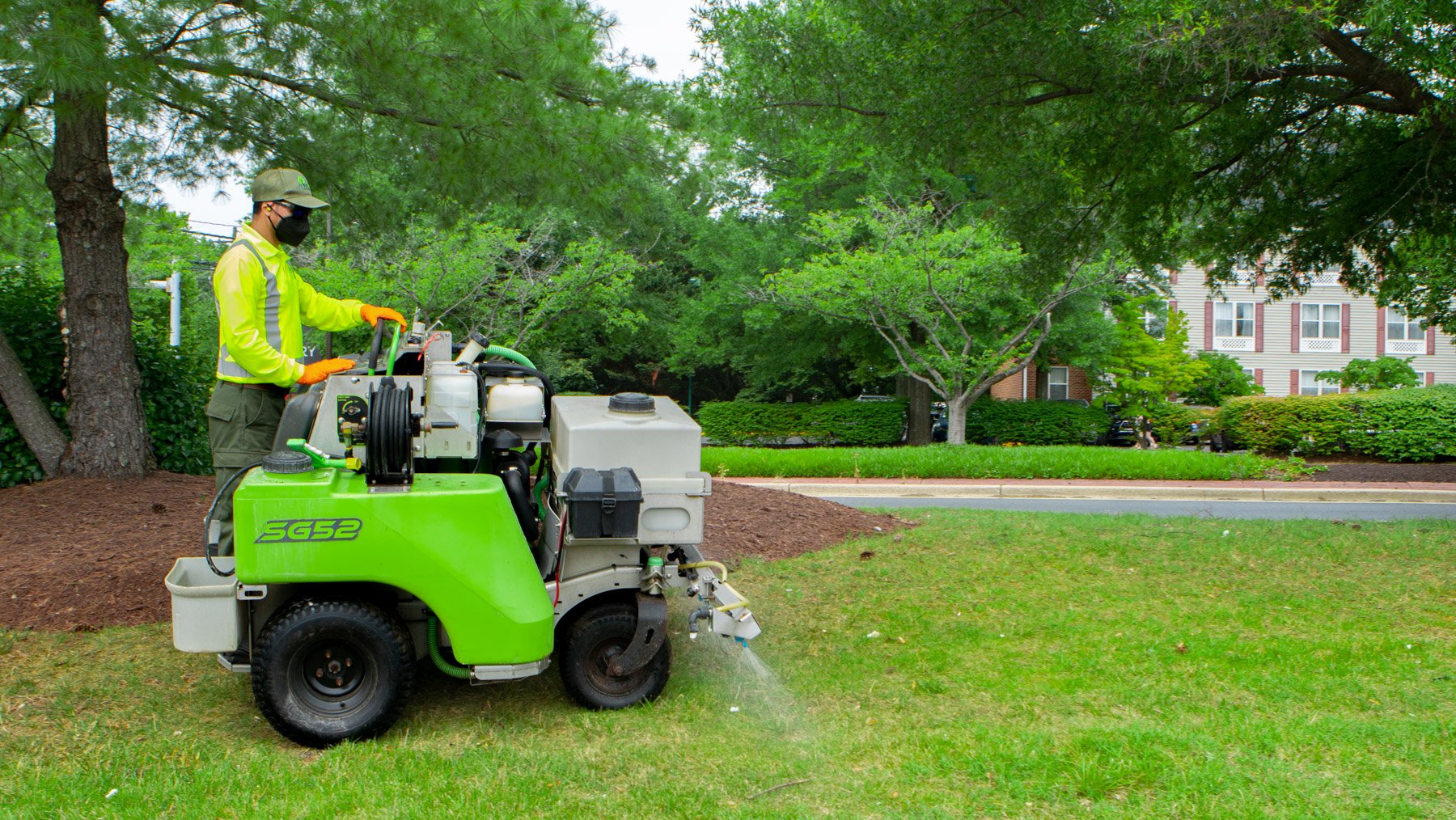
Why A Steady Turf Fertilization Program Matters
Lawn fertilizing is a process that lasts the entire year.
Sure, spring fertilizing is important. It sets up your turf with the nutrition it needs to get a great green start. Add weed control in the spring to zap weeds before they can sprout.
But fall fertilizing is even more important for commercial turf management here in the Mid-Atlantic.
As the weather gets cooler, those green blades of grass grow more slowly, but there’s plenty of action beneath the ground. The roots are growing quickly. That means they’re hungry.
Fertilize in the fall and you give those roots nutrients to grow nice and deep now, with some left over for a healthy start next spring.
Level Green uses liquid fertilizer rather than granular because of several benefits:
- Nutrients are absorbed quickly through the grass blades and roots, which means a noticeable color boost in days rather than weeks. Turf gets fed quickly, as opposed to waiting for the nutrients in granular fertilizer to break down.
- Nutrients are evenly distributed throughout your lawn, because every drop of a properly mixed liquid solution contains an identical ratio of nutrients.
- Liquid fertilizer can be easily mixed with liquid herbicides or pest controls in a single application to tackle weeds and feed the lawn at the same time.

When You Might Need an Addition to the Four-Visit Commercial Lawn Fertilization Schedule
While every commercial property benefits from a comprehensive turf fertilization program, some properties need extra attention.
You might need additional treatments to combat pesky sedge, a persistent weed in Maryland, DC and Virginia that shoots up faster than regular lawn grass, especially in wet or poorly drained areas. Sedge is like a weed supervillain. It isn’t controlled by standard pre-emergent or post-emergent weed control applications.
If your lawn is plagued by persistent summer weeds, you might need a treatment of Tenacity, an extra-strength post-emergent weed control.
If our crews notice grubs, we’ll suggest an additional treatment to control them as part of your commercial lawn care.
When Level Green crews are on your property regularly, they’re on the lookout for any extra issues your lawn and landscaping need, ready to proactively pounce to solve any problems.
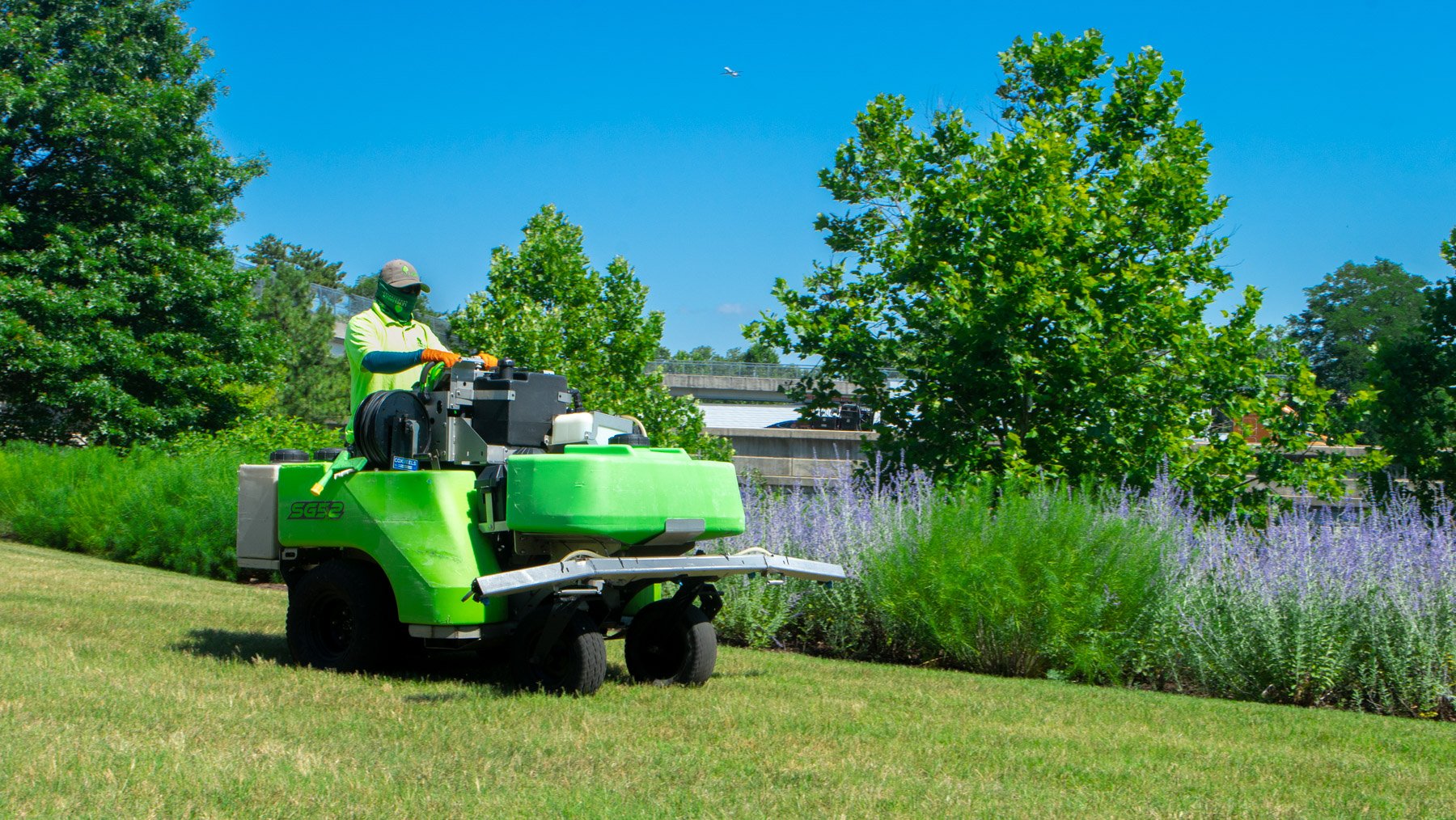
Too Much Fertilizer Is Not A Good Thing
Maybe your commercial lawn isn’t greening up as quickly as you’d like. Impatient, you go out and dump more fertilizer over what we’ve already applied.
If a little fertilizer is good, more is better, right?
Wrong. Really wrong.
What’s wrong with too much fertilizer? Over fertilizing, especially with high levels of nitrogen, will cause lots of pretty green blades of grass, but not enough root growth. Too much fertilizer will actually burn the lawn.
Applying too much fertilizer isn’t just bad for your lawn and wasteful. It can harm the environment, running off and entering the ground water.
Most of the properties we service are in the Chesapeake Bay water shed. Anything applied to your lawn eventually makes its way to the bay. The last thing you want is to send unnecessary fertilizer into the water.
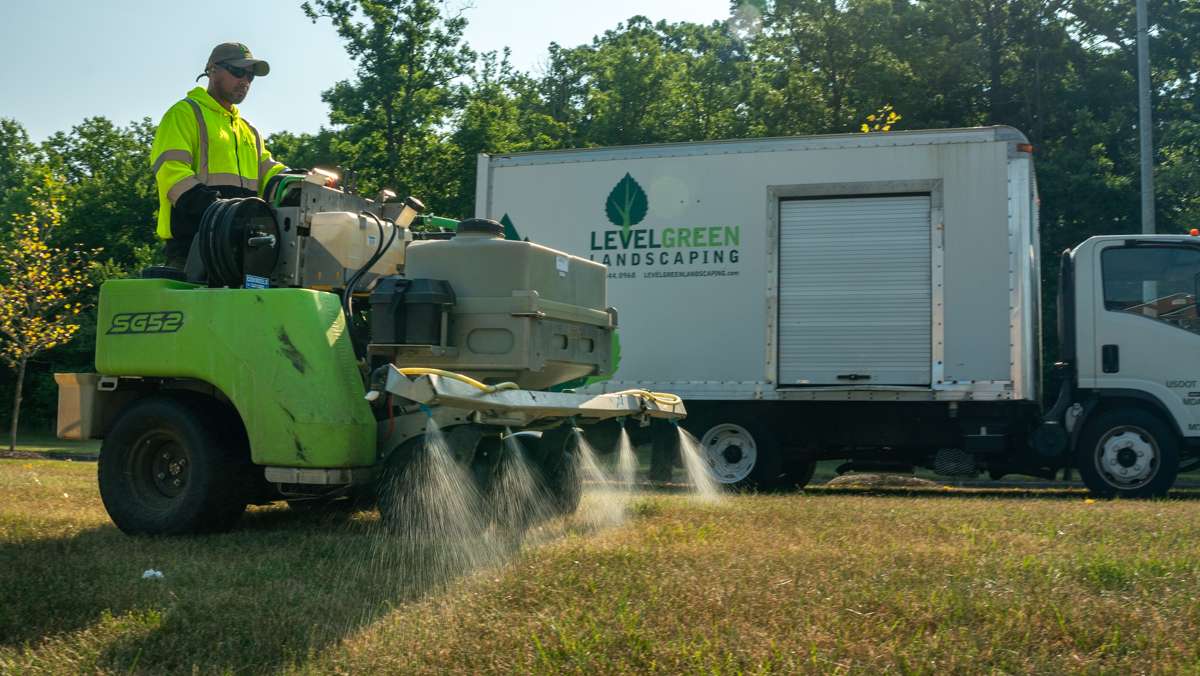
The Advantages of In-House Commercial Lawn Fertilization
Most large landscaping companies subcontract their lawn fertilization program, hiring other companies to do the work.
At Level Green Landscaping, we do all our fertilization services with our own crews.
Why does it matter?
You'll get a better response time. We’re right here, so you don't have to wait for a subcontractor’s schedule or worry about endless games of phone tag between your landscaping company and their subcontractor. If you have any questions or concerns about your lawn, we know the answers.
We know exactly how our crews were trained in fertilizer application. We trained them. Our crews are trained to strictly follow all the varying application laws in Maryland, Virginia and Washington DC.
We train not just on proper application, but safety, too, so our crews know how to properly handle, store and transport the fertilizer.
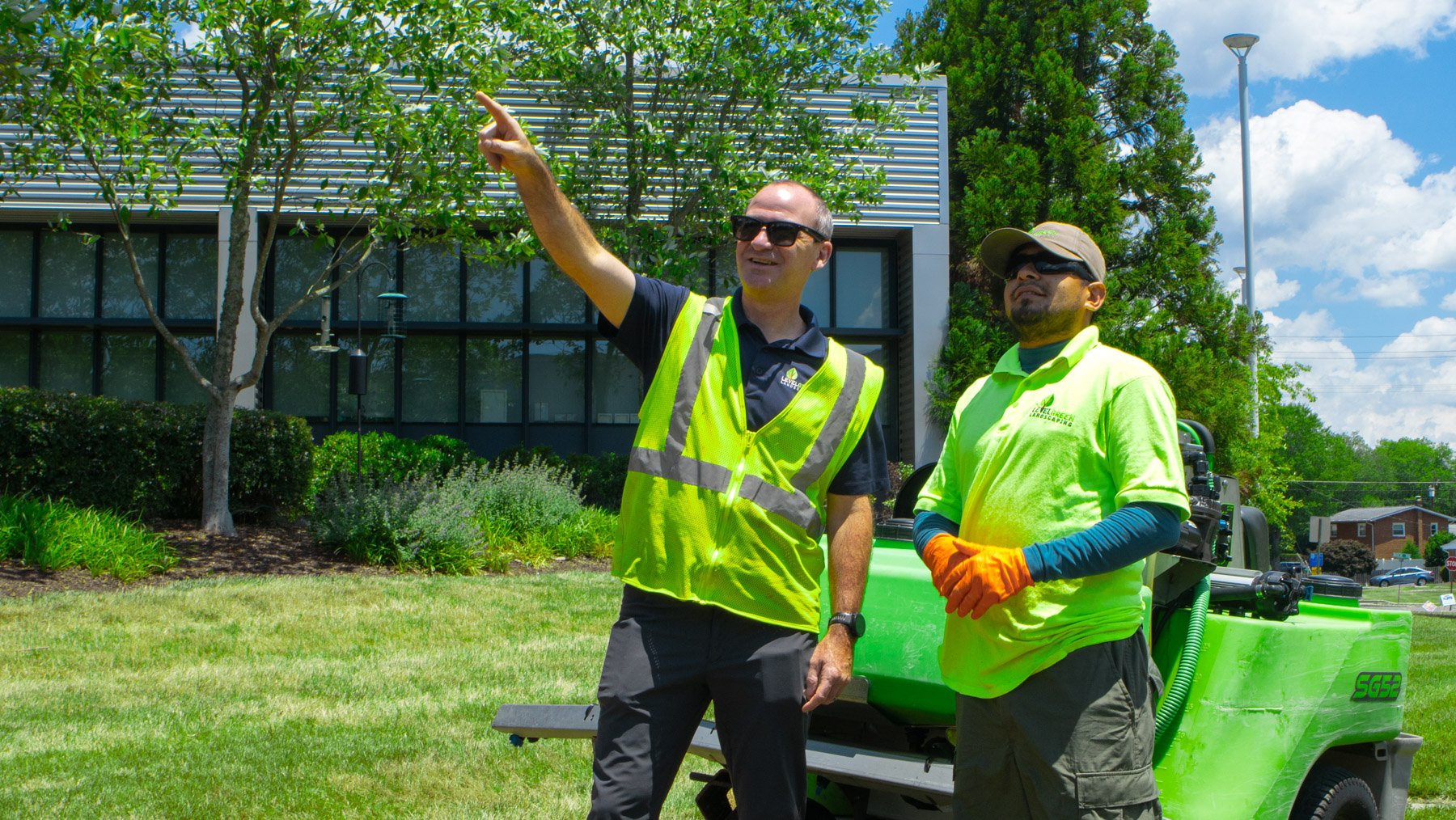
Our lawn care technicians get to know your property. The same skilled pros visit your property visit after visit, year after year. That means quick attention to any problem areas, and no missed spots.
Frequently Asked Questions About Commercial Lawn Fertilization
Q: Why isn't my turf improving after fertilization?
A: Be patient. A healthy green lawn takes time.
We use a slow-release fertilizer that continually feeds your lawn with nourishing nitrogen at a steady rate, all season long.
While quick-release nitrogen is immediately available to your lawn, it lasts only two to four weeks, and if it’s over-applied, it can burn the grass.
The science of slow-release fertilizer is pretty impressive. Most slow-release fertilizers release at specific soil temperatures. Plant roots tend to be most active in warm soil, so the slow-release fertilizer starts to deliver fertilizer as soon as the plants need it.
As the soil continues to warm and the plant roots become more active, more fertilizer is automatically released.
There are several benefits to slow-release nitrogen: It provides more uniform grass growth; it’s less likely to burn the grass; and less fertilizer is likely to be lost to rain or watering in the process known as leaching.
Fertilizing is a key part of a good turf care program, but it won’t solve every lawn problem.
Persistent bare spots might need aeration and overseeding to rejuvenate a struggling lawn. You might have a pest problem like grubs feasting on grass roots. A comprehensive turf program and an expert lawn care team can identify and address every issue.
Q: How can I tell if my fertilization program is working?
A: You’ll notice a few signs:
- Your turf will shift from a pale, faded green or yellow to a vibrant, deep green.
- You’ll notice steady growth and an obvious need for mowing.
- Your lawn will be thick and dense, with fewer bare spots or thin patches as your turf develops a stronger, healthier root system.
- You’ll notice fewer weeds.
Q: How does irrigation affect fertilizer performance?
A: It depends on whether you’re using liquid or granular fertilizer. Level Green uses liquid fertilizer, which gets absorbed and starts to work right away, without the need for water to activate it. Granular fertilizer needs water to help it break down and soak into the soil.
Q: Does every commercial property need the same lawn fertilization schedule?
A: We recommend the same comprehensive four-visit fertilization program to all our commercial property clients as a baseline plan that does a great job fertilizing and controlling weeds.
But individual properties might have additional needs beyond that, to treat persistent weeds or grubs.
Q: What information should a property manager receive after an application?
A: Level Green customers receive property service reports after each visit, detailing exactly what services were just completed and any action they need to take.
Crews post yellow flags outlining areas that received chemical treatments.
In addition, customers who have opted in to our auto alerts receive an alert three days before we arrive to fertilize. Level Green account managers also keep property managers informed of services happening on their property.
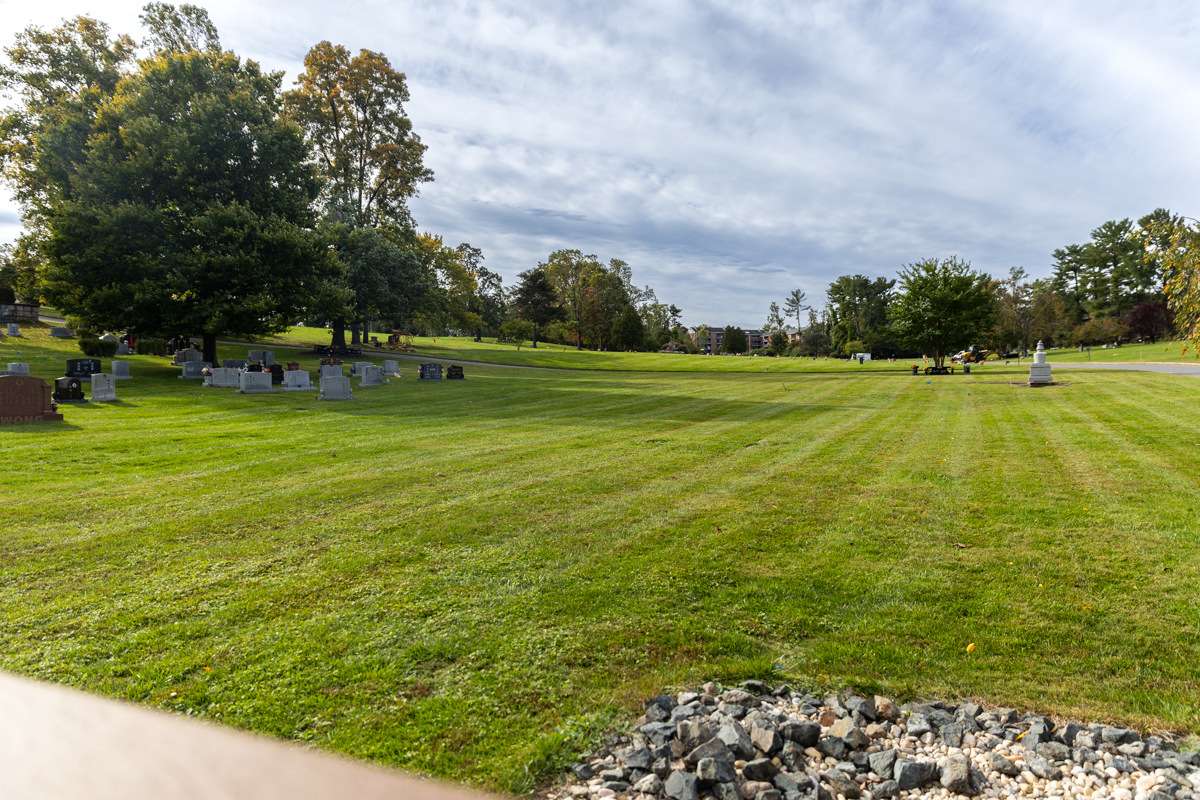
Trust Your Commercial Turf to Level Green Landscaping
Does it seem like your property’s lawn is never as green as you’d like? If it’s pale, has thin or bare patches or just seems to struggle, it might be time for a closer look. Commercial turf management can help identify the conditions affecting your turf and build a treatment plan around what your lawn actually needs.
At Level Green Landscaping, our experts can set you up with comprehensive commercial lawn fertilization in DC, Maryland, and Northern Virginia.
Ready to find out what your lawn needs? We’d love to add you to our growing list of happy customers.
Our focus is on commercial properties like offices, mixed-use sites, HOAs, municipalities and institutions in Maryland, Washington DC and parts of Virginia.
Contact us at 202-544-0968. You can also request a free consultation online to meet with us one-on-one.
We’d love to hear from you
Ready to get started?
Tell us more about your commercial property and how we can help you.

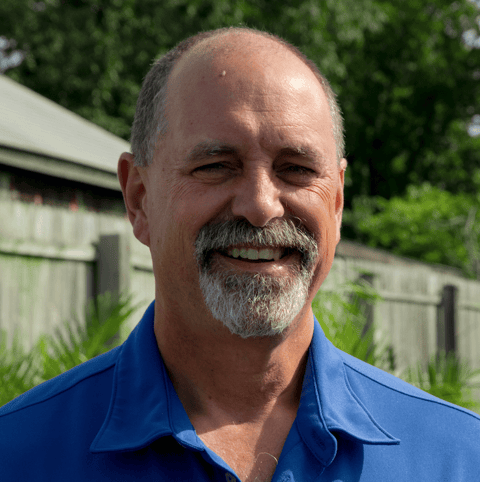
Douglass Delano
Doug Delano (and Bill Hardy) opened Level Green Landscaping LLC in 2002 to offer Washington DC, Maryland and Virginia reliable commercial landscape maintenance services.